
Top 10 tips for creating an inclusive classroom
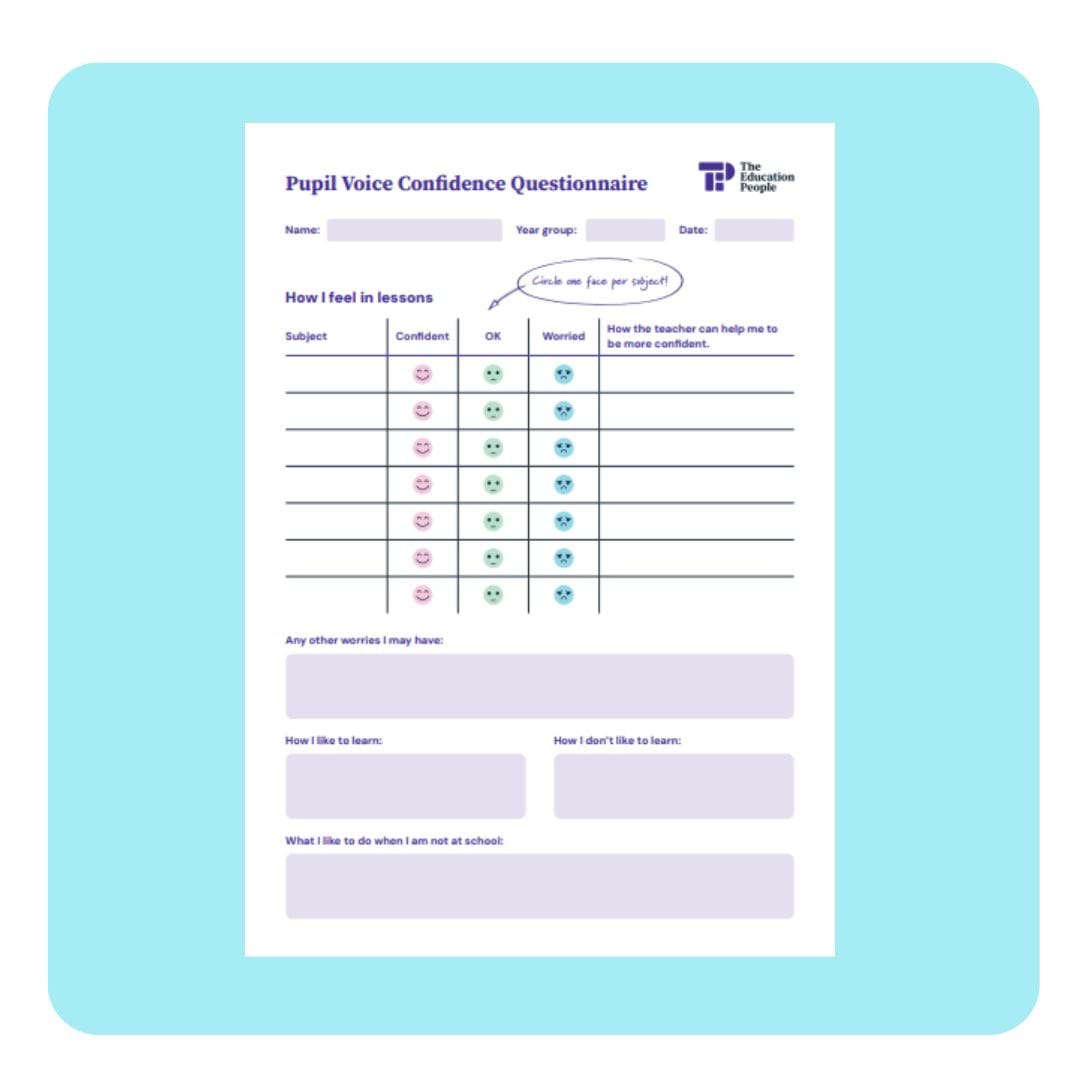
Allow every pupil the opportunity to access learning. Read these free, practical tips from our expert, Ruth Gately, that can be readily implemented and embedded to support inclusive practice in your classroom. Plus, download our free pupil confidence questionnaire to help you better understand how pupils feel about their learning experience.
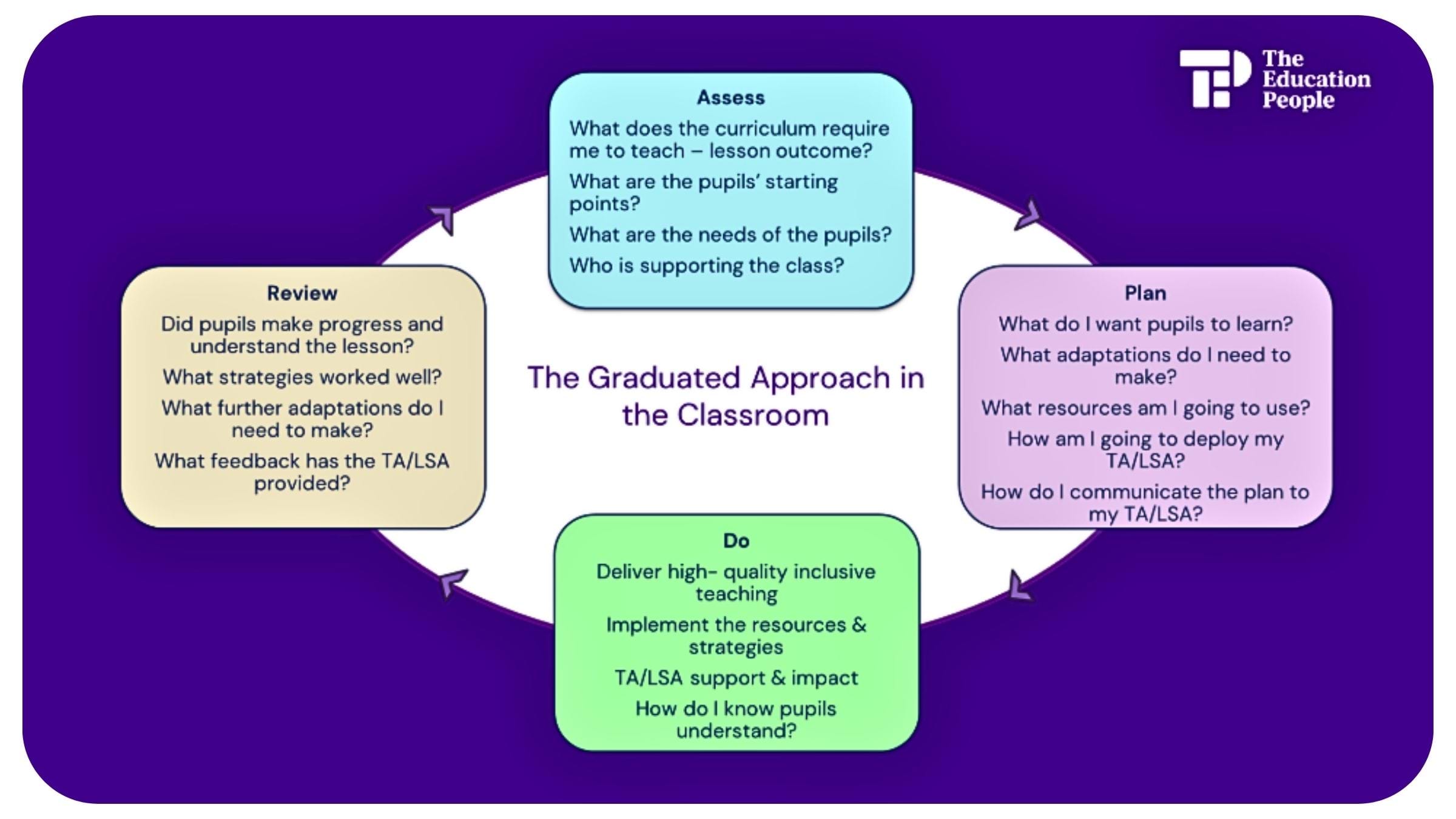
1. Use the Graduated Approach: Assess - Plan - Do - Review
A great place to start is by embedding the Graduated Approach. This ensures that support is responsive, evidence informed and tailored to individual needs.
2. Get to know your pupils well
Understand each pupil’s starting points, strengths and preferred ways of learning, as well as what they find more challenging. This supports early identification of need and helps you plan the right support to promote social, emotional and academic progress.
Use our pupil voice questionnaire to monitor each pupil's learning journey.
3. Pupil voice
Provide regular opportunities for pupils to share what helps them learn and what they find difficult. Simple check-ins, reflections or discussions can help adults adapt approaches and remove barriers to learning.
4. Create a calm, productive and supportive environment
Fostering strong working relationships with pupils is crucial. Consider your classroom ethos and expectations, and how these are communicated. A consistent, predictable environment helps pupils feel safe, focused and ready to learn.
5. Use key strategies for supporting pupils with SEN
Apply strategies that are specifically linked to the needs of your pupils with SEN to ensure they can access their learning. Work closely with your SENCO or Inclusion Lead to identify and embed effective approaches.
6. Develop a well-organised and well-resourced classroom environment
A well-planned classroom supports independence and reduces cognitive load.
Consider:
- structuring the space so it is tidy, accessible and easy to navigate
- planning for pupils’ sensory needs, including lighting and noise levels, avoiding visual and cognitive overload
- using a classroom layout and seating plan that enables all pupils to see the board or screen
- providing accessible resources such as mini whiteboards, manipulatives, visuals and now/next boards
- keeping wall displays clear, purposeful and up to date
- displaying a visual timetable and steps to success to help pupils manage their day and reduce anxiety.
What a good one looks like (WAGOLL) wall
Display key information that supports learning, such as vocabulary, modelled examples and success criteria. This helps pupils revisit, embed and apply their understanding independently.
7. Consistent approach - high-quality teaching strategies
Pupils thrive on routine and consistency, wherever possible, forewarn and signpost transitions or changes to the usual routine. Use the Graduated Approach to inform teaching and learning.
Consider which high-quality, inclusive teaching strategies can be embedded throughout the lesson to enable pupils to confidently access their learning and make strong progress socially, emotionally and academically.
8. Aspiration for all
Create an ethos that promotes high expectations and aspirational outcomes for every pupil, regardless of their starting point or additional needs. Embed clear steps to success to help pupils build confidence, recognise their strengths and develop independence.
9. Engage with parents and carers
Strong collaboration with parents and carers is essential. Effective information sharing builds a clearer understanding of what is happening both at home and in school, enabling timely support and celebrating success together.
10. Celebrate success
Positive reinforcement - whether verbal, visual or written - plays a key role in developing pupils’ confidence and self-esteem. Recognising and sharing success helps pupils feel valued and motivated.

Additional learning






Additional resources
- Teacher Handbook SEND by Nasen (National Association for Special Educational Needs) >
- Special Educational Needs in Mainstream Schools Report by Education Endowment Foundation >
- Deployment of Teaching Assistants Guidance Report by Education Endowment Foundation >
- High quality teaching: The 'five-a-day' principle >
